
Latest News
New incubators named to honour compassion, community and generosity

Suzanne and Cecee are the two newest members of the NZ Flying Doctor family and, while they may be small in size, they will play a big role in caring for some of the community’s most vulnerable patients.
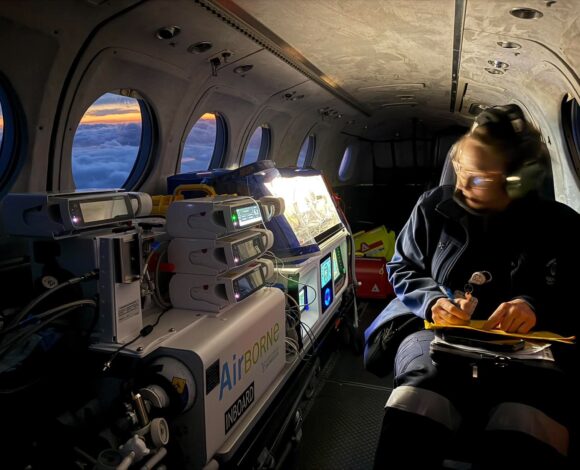
The names have been gifted to two state-of-the-art NXTGen transport incubators recently purchased by the NZ Flying Doctor Trust. The incubators will be used aboard the Westpac Rescue Helicopters and New Zealand Flying Doctor fixed wing air ambulances, helping transport critically ill and premature babies to specialist care.
While it may seem unusual to name an incubator, Christchurch Hospital NICU Equipment Nurse Jess Graham says the tradition serves both a practical and meaningful purpose.
“A name gives our team an easy and memorable way to identify each incubator, but more importantly, it allows us to recognise the generosity of the people and organisations who helped make them possible,” says Jess.
“Every time Suzanne or Cecee is called into service, it will be a reminder of the community support behind these life-saving pieces of equipment.”
Suzanne: A legacy of compassion
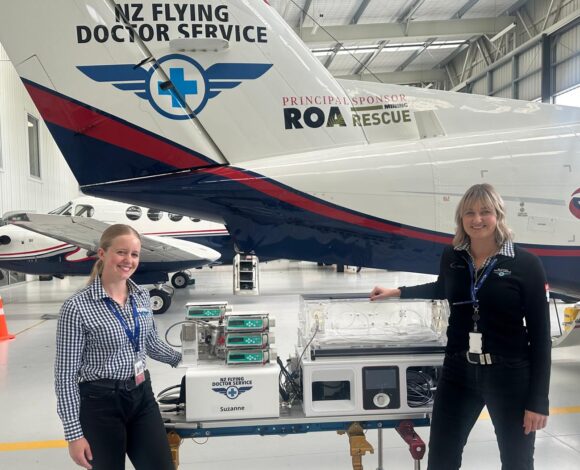
The name Suzanne honours Suzanne Aubert, the French missionary who founded the Sisters of Compassion. The Sisters provided care for the elderly and sick in South Canterbury through St Vianney’s Home of Compassion. While the home has closed, its legacy lives on through St Vianney’s Timaru Trust, which contributed significantly towards the purchase of the incubators.
St Vianney’s Timaru Trust Chair Dale Walden says they are delighted to have Suzanne Aubert’s compassion and commitment to community recognised in this way.
“Suzanne Aubert devoted her life to caring for people who were vulnerable and in need. Naming this incubator Suzanne is a fitting tribute to that legacy.
“It’s wonderful to see her name associated with equipment that will help protect and care for some of New Zealand’s tiniest and most fragile patients. We can think of no better tribute to her life’s work,” Dale says.
Cecee: Celebrating the people behind the Garden Party
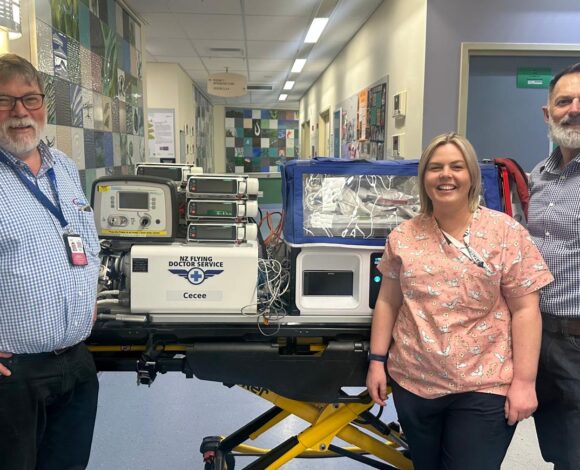
Cecee is a playful way of recognising NZ Flying Doctor Trustees Cilla Glasson and Charlotte Smith-Smulders, two of the driving forces behind the Trust’s Garden Party fundraising event, now in its third year. Funds raised at last year’s Garden Party helped support the purchase of the incubators.
NZ Flying Doctor CEO Anton Drazevic says Charlotte and Cilla’s creativity and determination helped raise significant funds while uniting people for a cause that touches families throughout New Zealand.
“Naming an incubator Cecee felt like a fun and fitting way to recognise their contribution.”
Canterbury leading the way
Jess Graham has played a key role in bringing the NXTGen incubators into service, a role that hasn’t come without its challenges.
“When you marry the medical world with the aviation world, it can get complicated,” Jess says.
That’s partly because the incubators need to be used across the fixed wing aircraft, rescue helicopters and road ambulances. Custom fittings were required to ensure the incubators could be safely used and certified wherever they were needed.
Canterbury is the first region in New Zealand to have the new NXTGen incubators operational across all three transport platforms.
Jess says the support from the NZ Flying Doctor team was instrumental in achieving that, particularly Operations Manager Arthur Ruddenklau and Aeromedical Retrieval Specialist Clinical Lead Neil Davidson.
“I’m a nurse. I needed help translating the medical requirements into what would work in an aviation environment. Arthur and Neil were both instrumental in overcoming these challenges and getting these incubators in the air, where and when they were needed,” Jess says.
A better journey for babies and whānau
Jess says it’s been a huge achievement to have the NXTGen incubators operational, and even more rewarding to see the difference they’re making for babies and whānau.
“The babies are so much more comfortable in the new incubators.”
The new incubators have multiple IVs with a built-in drug ‘library’, which means that even in challenging environments, such as during a flight, staff can administer medications safely and with confidence. Modern batteries provide greater reliability, while the fact the system is 25 kilograms lighter makes the new incubators much easier for NICU teams to move.
But Jess says one of the biggest game-changers is the advanced ventilation system, which synchronises more effectively with the patient.
“With our old incubators, some babies used to fight the ventilation system, and that must have been incredibly hard for parents to witness. The modern system in the new incubators makes such a difference. You can see babies are better supported, they’re calmer, and I think that makes all the difference for the mums and dads.”
Jess says she still can’t quite believe how quickly the NZ Flying Doctor Trust raised the money needed to purchase the incubators.
“In just a matter of months, the Trust and its supporters made what seemed impossible possible. Thanks to their generosity, these incubators will help provide life-saving care to vulnerable babies for many years to come and we will always be grateful for that support.”